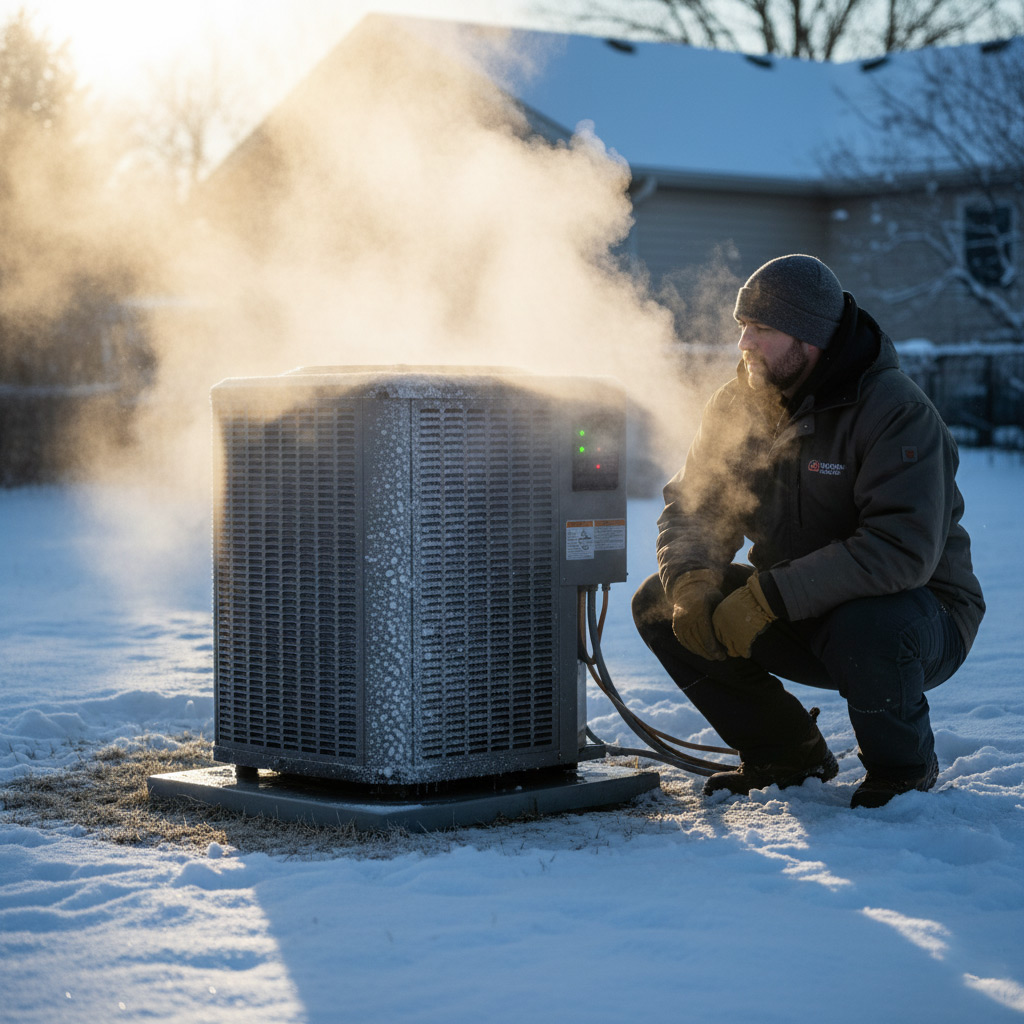
If you think a furnace is just a metal box that blows hot air, you’ve been sold the same old story that most salespeople love to repeat.
Peoria homeowners who actually get the most out of their climate control are treating their HVAC like a custom‑fit suit—tight where it counts, loose where it doesn’t matter, and always ready for the next heat wave or desert chill.
What they’re doing isn’t magic; it’s a handful of tweaks that turn a standard system into a money‑saving, comfort‑boosting powerhouse. Keep reading and you’ll discover the exact moves that separate the savvy from the stuck.
Understanding Peoria’s Climate: Why One‑Size‑Fits‑All HVAC Designs Fail
Peoria sits in a desert pocket where summer can scorch past 115°F and winter nights dip into the 30s. That swing isn’t a “nice‑to‑have” detail; it’s the rulebook for any HVAC system. A unit sized for a mild climate will stall in July, while an oversized furnace will cycle on and off like a broken record in December.
Key climate quirks that break generic designs
- Intense solar gain on south‑facing walls pushes indoor temps up an extra 10‑15°F.
- Low humidity means heat feels hotter, so people often crank the thermostat higher than needed.
- Cool nights bring rapid temperature drops, demanding quick recovery without overworking the blower.
Smart Peoria locals skip the “one size fits all” trap by matching equipment to these real‑world conditions. They start with data, not guesswork, and they never settle for a system that can’t handle the desert’s extremes.
Conducting a Precise Load Calculation: The Foundation of Smart System Design
Before you even think about picking a furnace or a heat pump, you need to know how much heating and cooling your house actually demands. A guess‑and‑check approach leaves you with a system that’s either gasping for power or running idle, burning cash. Getting the numbers right means you’ll never over‑size or under‑size again.
Why a Manual J Matters
The industry’s gold standard is the Manual J load calculation. It’s not rocket science, but it does require a few data points that most DIYers skip. When you feed the right numbers into the software, you get a clear picture of the BTU load per room, per season.
- Square footage – total and per zone
- Window size, type, and orientation
- Insulation R‑value in walls, attic, and floors
- Local climate data – Peoria’s scorching summers and chilly desert nights
- Number of occupants and typical appliance use
Plug those into a reputable Manual J program and you’ll see a spreadsheet that tells you exactly what capacity you need. No more “bigger is better” myths.
Most Peoria homeowners hand the job to a certified HVAC contractor who runs the calculation with a calibrated blower door test. The result? A system that hits the sweet spot, delivering comfort while slashing utility bills. That’s the kind of ROI you can actually feel.
Zoning and Variable Speed Technology: Tailoring Comfort Room‑by‑Room
What is Zoning?
Think of your home as a set of mini‑apartments, each with its own thermostat. A zoning system installs dampers in the ductwork, opening or closing based on where you need heat or cool air. Only the rooms that ask get the flow, so you stop paying for empty space.
Variable Speed Compressors & Fans
Unlike the old‑school single‑speed blower that rattles on full blast, a variable‑speed motor eases in and out like a smooth jazz solo. It matches output to the exact load, keeping temperature swings to a whisper. Result? quieter operation and a noticeable dip in your electric bill.
Why Peoria Homeowners Love This Combo
When you pair zoning with variable speed, you get a system that reacts like a seasoned pro. It knows when the desert sun is beating down on the living room and when the bedroom stays cool after sunset.
- Targeted comfort means no more “hot hallway, cold bedroom.”
- Energy use drops 15‑30% because the blower never runs at full tilt.
- Extended equipment life – the compressor isn’t forced to start‑stop every few minutes.
Selecting Energy‑Efficient Equipment: SEER, AFUE, and HSPF Ratings Explained
What the Numbers Mean
In Peoria, the desert sun can turn a cheap unit into a money‑draining furnace. SEER (Seasonal Energy Efficiency Ratio) tells you how much cooling you get per watt of electricity. The higher the SEER, the less you’ll see on the electric bill during those scorching summer months.
AFUE (Annual Fuel Utilization Efficiency) is the heating counterpart. It measures how much fuel actually becomes heat. A unit with a 95% AFUE turns 95 cents of every dollar of gas into warm air—nothing more, nothing less.
HSPF (Heating Seasonal Performance Factor) is the heat‑pump’s secret weapon. It blends the efficiency of both heating and cooling cycles, giving you a single number that reflects year‑round performance.
Choosing the Right Rating for Your Home
- Cool‑Season Focus: Aim for a SEER of 16 or higher if you spend most of the year battling heat.
- Heat‑Season Focus: Look for an AFUE of 95%+ for gas furnaces, or an HSPF of 9+ for heat pumps.
- Budget Balance: A unit with a slightly lower rating can still be a winner if it matches your home’s load calculation and duct design.
Why Peoria Locals Don’t Settle for the Minimum
They know the desert doesn’t forgive waste. A higher rating means the compressor runs less, the blower works softer, and the whole system ages slower. That translates to fewer service calls and a longer warranty life.
When you pair a high‑SEER air conditioner with properly sized ducts, you’re not just buying comfort—you’re buying a future‑proof investment that pays for itself in lower utility bills.
Optimizing Ductwork Layout and Insulation for Desert Conditions
Why Duct Placement Matters
In Peoria’s scorching summers, every foot of duct is a potential heat trap. Short, straight runs keep the air moving fast and the temperature steady.
Run ducts away from direct sun exposure. A ceiling cavity shaded by a roof overhang stays cooler than a wall that basks all day.
- Keep bends to a minimum – each turn adds resistance.
- Use insulated flex duct in attic spaces; it’s lighter and blocks heat better than metal.
- Seal every joint with mastic, not cheap foil tape.
Insulation Choices That Beat the Heat
Desert air loves to sneak through gaps, so a solid blanket of insulation is non‑negotiable. R‑value matters, but so does the material’s ability to stay dry.
Spray‑foam around supply registers creates a thermal barrier that metal ducts alone can’t match.
- Closed‑cell foam: high R‑value, moisture resistant.
- Reflective foil wraps: bounce radiant heat back toward the roof.
- Thermal sealants: fill cracks in the duct shell before you even think about the blower.
Case Study: Transforming a 2,500 sq ft Peoria Home into a High‑Performance Climate Zone
When the Martinez family called, their 2,500 sq ft ranch was sweating in July and shivering in December. A quick walkthrough revealed a single‑stage furnace, leaky ducts, and no zoning at all. We knew the fix had to be surgical, not a band‑aid.
Step‑by‑step overhaul
First, we ran a Manual J load calculation that showed the original unit was 30% oversized. Oversizing = wasted energy and short‑lived parts. We swapped it for a 3‑ton, variable‑speed heat pump with a SEER 18 rating and paired it with a high‑efficiency furnace rated AFUE 96%. The new system also included a HSPF 10 water heater for the pool.
- Variable‑speed blower – precise airflow, quieter operation.
- Smart thermostat – learns schedules, cuts idle time.
- Four‑zone dampers – living room, master suite, office, and garage.
Next, we re‑routed the ductwork, sealing every joint with mastic and adding R‑19 insulation around the main trunk. The result? Airflow balanced to within 5% of design specs. Every room now gets the exact amount of conditioned air it needs.
Results that speak for themselves
Six months later the Martinez’s utility bill dropped 28%, and the house stayed comfortable from 105°F afternoons to 30°F mornings. The family told us they finally felt “in control” of their climate, and the HVAC system ran so quietly they forgot it was there. That’s the payoff of a smart design.
Final Words: Recap of Smart Design Strategies and Next Steps for Peoria Homeowners
Now that you’ve seen how the desert climate, precise load calculations, and zoning can turn a run‑of‑the‑mill unit into a money‑saving machine, it’s time to put the plan into motion. The difference between a good idea and a great result is simply taking the first step.
What to Do Next
- Schedule a professional Manual J load calculation to confirm your home’s exact heating and cooling needs.
- Ask your installer about variable‑speed compressors and multi‑stage furnaces—these are the workhorses that keep every room at the right temperature.
- Inspect your ductwork for leaks and add insulation where the desert heat can sneak in.
- Choose equipment with a SEER ≥ 16, AFUE ≥ 90, or HSPF ≥ 9 to lock in efficiency.
- Consider a smart thermostat that talks to each zone and learns your daily rhythm.
When you’re ready, head over to our HVAC System Design page. There you’ll find a quick contact form, a list of certified partners, and a free checklist to keep you on track. No fluff—just the tools you need to make your Peoria home comfortable year‑round without blowing your budget.
People Also Ask
How does Peoria’s desert climate affect HVAC system design?
Peoria’s hot summers and mild winters require equipment that can handle high cooling loads while maintaining efficiency. Designers prioritize high SEER ratings and robust insulation to combat extreme temperature swings.Why is a precise load calculation essential for Peoria homes?
Accurate load calculations ensure the system is sized correctly, preventing oversizing that wastes energy and undersizing that leads to discomfort. This step accounts for sun exposure, ceiling height, and local humidity levels.What benefits do zoning and variable‑speed technology provide in Peoria?
Zoning lets each room maintain its own temperature, reducing energy waste in unoccupied spaces. Variable‑speed compressors adjust output continuously, delivering consistent comfort and lower utility bills.Which efficiency ratings should Peoria homeowners look for?
Aim for a SEER of 16 or higher for cooling, an AFUE of 90%+ for heating, and an HSPF of 9 or above for heat pumps. These ratings indicate equipment that performs well in desert conditions while saving energy.How can ductwork be optimized for Peoria’s climate?
Properly sealed and insulated ducts prevent cool air loss and protect against heat gain from the surrounding desert. Designers also size ducts to match the system’s airflow, reducing static pressure and improving performance.
Peoria HVAC brings over 15 years of residential and commercial climate‑control expertise to the Peoria community. Their certified technicians specialize in efficient heating, cooling, and indoor‑air‑quality solutions tailored to local conditions. Committed to reliable service, they prioritize customer comfort and energy efficiency throughout the Phoenix metropolitan area.
Need HVAC?
We deliver rapid, results‑focused solutions to homes and businesses in Peoria, AZ and neighboring ZIPs (85345, 85381, 85382, 85383, 85385). Our team moves quickly so you see the impact without delay.
Get HVAC Estimate