
Picture this: the desert sun is beating down on Peoria, you crank the thermostat, and the air conditioner coughs its last breath just as the kids start complaining about the heat. Your wallet suddenly feels the heat too, because the repair bill looks like it belongs on a home‑improvement show.
Most homeowners jump straight to the cheapest fix, ignore the warning signs, or try a DIY hack that ends up costing twice as much. Those shortcuts turn a simple repair into a full‑blown system replacement, and the money you thought you saved disappears faster than a summer thunderstorm.
Stick around, and you’ll discover the exact missteps that drain your budget and the proven strategies to keep your HVAC running smooth without breaking the bank. Let’s dive in.

Common Costly Mistakes Homeowners Make When Repairing HVAC in Peoria
Most Peoria residents think a quick call to a “handyman” will save cash, but that shortcut often lands them with a bill that could fund a small vacation. The real problem isn’t the price tag—it’s the hidden damage that compounds when the wrong person touches your system.
Top Mistakes That Bleed Your Wallet
- Skipping the diagnostic fee and demanding an instant fix. Without a proper assessment, technicians may replace parts you don’t need.
- Choosing the cheapest replacement part instead of an OEM component. Low‑cost alternatives often fail sooner, forcing another repair cycle.
- Attempting a DIY repair without the right tools or knowledge. A misplaced screw or wrong refrigerant charge can ruin a compressor in minutes.
- Ignoring the age of the unit. Older systems have wear patterns that cheap fixes can’t hide; a full replacement may be the smarter route.
When you let any of these slip through, you’re essentially paying twice: once for the botched repair and again for the inevitable follow‑up. Smart homeowners pause, verify credentials, and let a qualified HVAC contractor run a thorough check before any part is swapped out. That extra step saves hundreds, sometimes thousands, before the summer heat even arrives.
Ignoring Early Warning Signs: How Small Issues Escalate into Big Bills
The tell‑tale signs you can’t afford to ignore
When your AC starts to hum louder than usual or the airflow feels weak, it’s not just a nuisance—it’s a red flag. Those subtle clues are the system’s way of screaming for help before a catastrophic failure.
Typical early warnings in Peoria homes include:
- Unexplained spikes in your electric bill.
- Frost forming on the evaporator coil.
- Water pooling around the indoor unit.
- Odd smells, like burning plastic or musty mildew.
Why a tiny problem can become a $5,000 nightmare
Leave that frost unchecked, and the compressor works harder, overheating until it quits. One minor leak can turn the whole refrigerant cycle into a costly mess. The result? A busted compressor, a ruined coil, and a replacement bill that makes you wish you’d called a pro sooner.
Here’s how the domino effect unfolds:
- Clogged filter → reduced airflow → frozen coil.
- Frozen coil → low refrigerant pressure → compressor strain.
- Compressor strain → motor burnout → full system replacement.
Catch it early, save big
Schedule a quick visual check at the first sign of trouble. A qualified technician can spot a dirty coil or a loose connection before they turn into a $2,500 repair. Invest a few minutes now, and you’ll dodge a summer of sweating and spending.
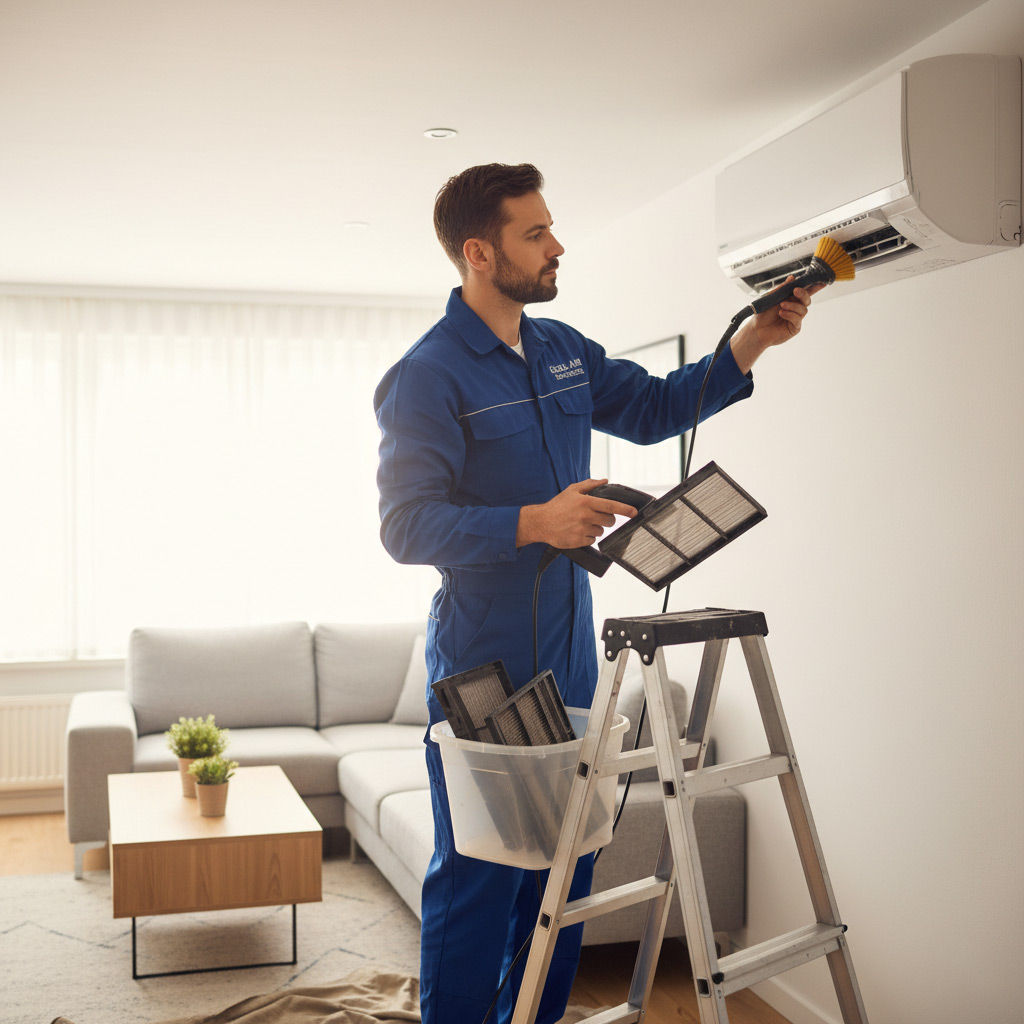
The Dangers of DIY Fixes and Using Low‑Cost Parts
Why DIY Often Backfires
Most homeowners think a quick screwdriver turn will save a bundle, but HVAC systems are intricate. One wrong connection can overload the compressor, turning a $200 fix into a $3,000 replacement. Even seasoned handymen lack the calibration tools that certified techs use daily.
Cheap Parts = Expensive Repairs
Low‑cost components may look tempting, yet they rarely meet the strict specifications required for desert heat. A sub‑par capacitor will overheat, forcing the fan motor to work harder and wear out faster. When the part fails, you’re back to the service call, plus the cost of the original cheap part that never did its job.
Common DIY Pitfalls
- Skipping the refrigerant charge check – leads to frozen coils.
- Using generic seals instead of OEM gaskets – causes leaks.
- Bypassing safety switches – creates fire hazards.
Each shortcut adds risk. The short‑term savings evaporate the moment the system quits on a scorching July afternoon. Trust the pros; they have the warranty, the training, and the right parts to keep your home cool without surprise bills.
Selecting the Right HVAC Contractor: Red Flags and Vetting Tips
When the desert heat turns your home into a sauna, you need a contractor who knows the difference between a quick fix and a costly nightmare. A solid pro will ask the right questions, show proof of work, and leave you with a system that actually breathes. Anything less is a gamble you can’t afford.
Red Flags to Watch
- Unusually low quotes – If the price looks too good to be true, it probably is.
- No written estimate – Verbal promises disappear faster than a summer rainstorm.
- Missing license or insurance info – This is a non‑negotiable deal‑breaker.
- Pressure to sign a contract on the spot – Good pros give you time to think.
- Relying on “word of mouth” without references – Ask for real customer contacts.
Vetting Tips That Actually Work
- Check the contractor’s online reviews on Google and the Better Business Bureau.
- Ask for a copy of their certifications (NATE, EPA, etc.) and verify them.
- Request a detailed, itemized estimate before any work begins.
- Confirm they have a physical office in Peoria – a local address means accountability.
- Schedule a pre‑service walkthrough; a pro will spot issues you haven’t noticed.
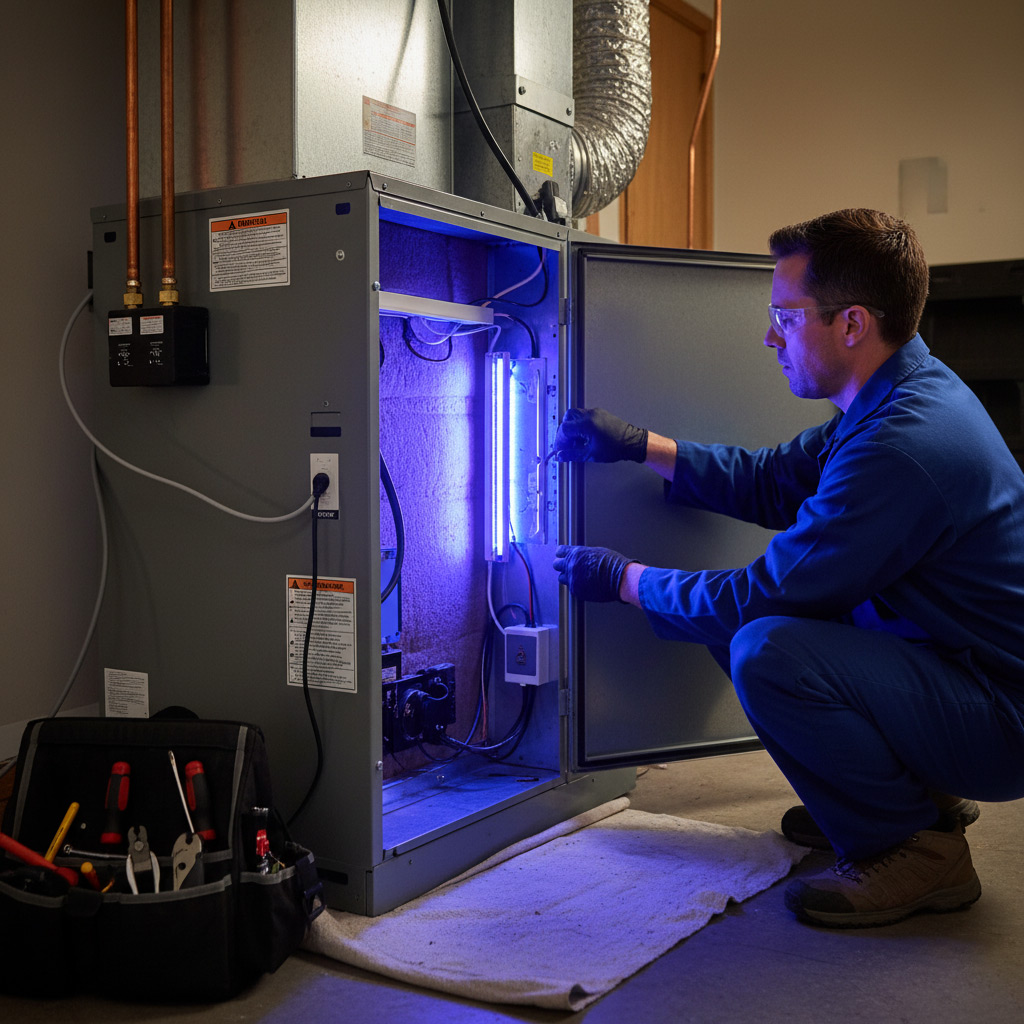
Proactive Maintenance Practices to Prevent Expensive Repairs
Seasonal Check‑ups
Before the summer scorch hits Peoria, give your unit a quick once‑over. Swap out the air filter every 30‑45 days and wipe the outdoor coils with a garden hose. These two steps alone can shave off 10‑15% of your energy bill.
- Inspect the condensate drain for clogs.
- Clear debris from the fan and compressor.
- Listen for rattles or squeaks that signal loose parts.
System Tune‑Up
A proper tune‑up is like a health check for your HVAC. Have a certified tech verify refrigerant charge and calibrate the thermostat to match your comfort schedule. Seal any leaky ducts you find – a single hole can waste enough air to cost you hundreds each year.
- Check belt tension and motor bearings.
- Test safety switches and limit controls.
- Verify that the blower wheel spins freely.
Smart Record‑Keeping
Keep a simple log of every service call, filter change, and odd noise you notice. When the next technician arrives, they’ll have a clear history and can spot trends before they become pricey failures. Consider a yearly service contract – it locks in rates and guarantees priority response when the heat spikes.
- Note dates, technician names, and parts replaced.
- Set calendar reminders for filter swaps.
- Store receipts digitally for easy reference.
Case Study: How a Peoria Family Saved $2,500 by Addressing a Faulty Compressor Early
The Situation
When the Martinez family heard a high‑pitched whine from their AC unit, they brushed it off as “just the heat.” That sound was the compressor’s warning bell. Ignoring it would have meant a full system collapse.
The Turnaround
Instead of waiting for a total breakdown, they called a local, certified technician within 48 hours. The pro diagnosed a failing compressor and recommended a replacement before the next peak‑summer day.
- Schedule a same‑day inspection.
- Get a written estimate that breaks down labor and parts.
- Approve the early swap—no surprise fees.
The early fix cost $1,200, but it stopped a chain reaction that would have shredded the evaporator coil, busted the refrigerant line, and forced a $3,700 full‑system replacement. Result? A $2,500 saving and a cool house all summer.
Final Words
When it comes to your Peoria home, the HVAC system isn’t a “set‑and‑forget” gadget. Regular check‑ins keep the heat out of your wallet and the cool air flowing where you need it.
Quick Action List
- Schedule a professional tune‑up before the summer rush.
- Swap out filters every 30‑45 days – it’s cheap and effective.
- Log any odd noises or temperature swings; they’re early warning signs.
Don’t let a minor hiccup become a full‑blown emergency. A short call to a vetted HVAC Repair pro can save you thousands down the road.
Keep the Line Open
- Ask for a written estimate before any work begins.
- Verify the contractor’s license and insurance – it’s non‑negotiable.
- Ask about warranty coverage on parts and labor.
Stay proactive, stay informed, and let the desert heat stay outside where it belongs.
People Also Ask
What are the most common HVAC repair mistakes homeowners in Peoria make?
Homeowners often delay service, attempt DIY fixes with improper parts, and choose the cheapest contractor without checking credentials. These shortcuts can lead to larger system failures and higher repair costs.How can ignoring early warning signs increase HVAC repair bills?
Small issues like unusual noises or reduced airflow can indicate component wear. Ignoring them allows problems to worsen, often requiring major part replacements that are far more expensive.Why is using low‑cost or incorrect HVAC parts risky?
Cheap parts may not meet manufacturer specifications, reducing efficiency and lifespan. They can cause system malfunctions, void warranties, and result in costly secondary damage.What red flags should I watch for when selecting an HVAC contractor in Peoria?
Beware of contractors without proper licensing, insurance, or online reviews, and those who provide vague estimates. A reputable company will offer clear pricing, references, and a written warranty.What proactive maintenance steps can prevent expensive HVAC repairs?
Regular filter changes, seasonal professional tune‑ups, and cleaning of coils and ducts keep the system running efficiently. Scheduling these tasks reduces wear and catches problems before they become costly.
Peoria HVAC brings over a decade of professional heating and cooling expertise to the Peoria community. Their certified technicians specialize in residential and commercial systems, delivering reliable service tailored to local climate demands. Committed to energy efficiency and customer satisfaction, they keep homes comfortable year‑round.
Need HVAC?
We deliver rapid, results‑focused solutions to homes and businesses in Peoria, AZ and neighboring ZIPs (85345, 85381, 85382, 85383, 85385). Our team moves quickly so you see the impact without delay.
Get HVAC Estimate