
Ever walked into your living room and felt a wave of stale air that shouldn't be there, then wondered if your HVAC just decided to take a vacation?
In Peoria’s scorching summers and chilly winters, a tiny glitch can turn comfort into a costly nightmare before you even notice the thermostat creeping up.
From a faint rattling that sounds like a loose bolt, to rooms that feel like two different houses, and utility bills that start looking like a math problem, those early whispers are the warning lights you can’t afford to ignore.
Stick around and we’ll walk you through the exact signs that scream “call a pro now” before your system throws a full‑blown tantrum.

Common Early Warning Signs of HVAC Issues in Peoria Homes
When the air feels off, it’s usually the first clue that your system is waving a red flag. In a Peoria home, the desert heat or desert‑cool nights can magnify even a tiny hiccup, turning a mild annoyance into a full‑blown crisis before you’ve finished your coffee.
Sounds That Shouldn’t Be Ignored
Listen closely. A high‑pitched squeal, a steady rattling, or a thumping rhythm often means a loose belt, a failing motor, or a compressor on the brink. Don’t wait for the noise to stop—it’s the HVAC’s way of shouting “check me out.”
- Rattling or buzzing – could be a loose panel or a failing fan.
- Intermittent clicking – often a thermostat or relay misfire.
- Humming that fades – sign of a motor that’s struggling to start.
Temperature & Airflow Red Flags
One room feels like a sauna while the next feels like a walk‑in freezer? That temperature swing is a classic early warning. It usually points to duct leaks, a clogged filter, or an uneven refrigerant charge.
- Cold spots near windows – check for blocked vents.
- Weak airflow from registers – filter may be clogged.
- Thermostat lagging behind settings – sensor or wiring issue.
Seasonal Shifts: How Summer Heat and Winter Cold Expose System Weaknesses
Summer’s Scorching Test
When the mercury climbs above 100°F, your AC is forced to work overtime. Any weak coil or clogged filter will show up fast because the system can’t keep up with the demand.
Typical summer red flags include:
- Air that feels weak or uneven across rooms
- Frequent short‑cycling (the unit turns on and off quickly)
- Ice forming on the evaporator coil
These symptoms mean the refrigerant isn’t flowing right, or the blower motor is struggling. Ignoring them can lead to a total shutdown right in the middle of a heat wave.
Winter’s Cold Snap
When temperatures dip, the furnace or heat pump gets the spotlight. Cold weather magnifies leaks, worn belts, and failing igniters because the system has to generate more heat.
Watch for these winter clues:
- Flickering pilot light or delayed ignition
- Uneven warmth—one side of the house stays chilly
- Strange noises like rattling or whistling when the blower kicks in
Each of these hints points to a component that’s near the end of its life. Catching them early saves you from a freezing night and a pricey emergency repair.
Quick DIY Diagnostics: What Homeowners Can Check Before Calling a Pro
Check the Thermostat Settings
First thing’s first—make sure the thermostat is actually set to cool or heat, not “off” or “auto” when you need it. Sometimes the culprit is as simple as a dead battery.
Give the unit a quick reset: turn it off, wait 30 seconds, then power it back up. If the display stays blank, you’ve got a power issue that needs a professional’s eye.
Inspect Air Filters and Vents
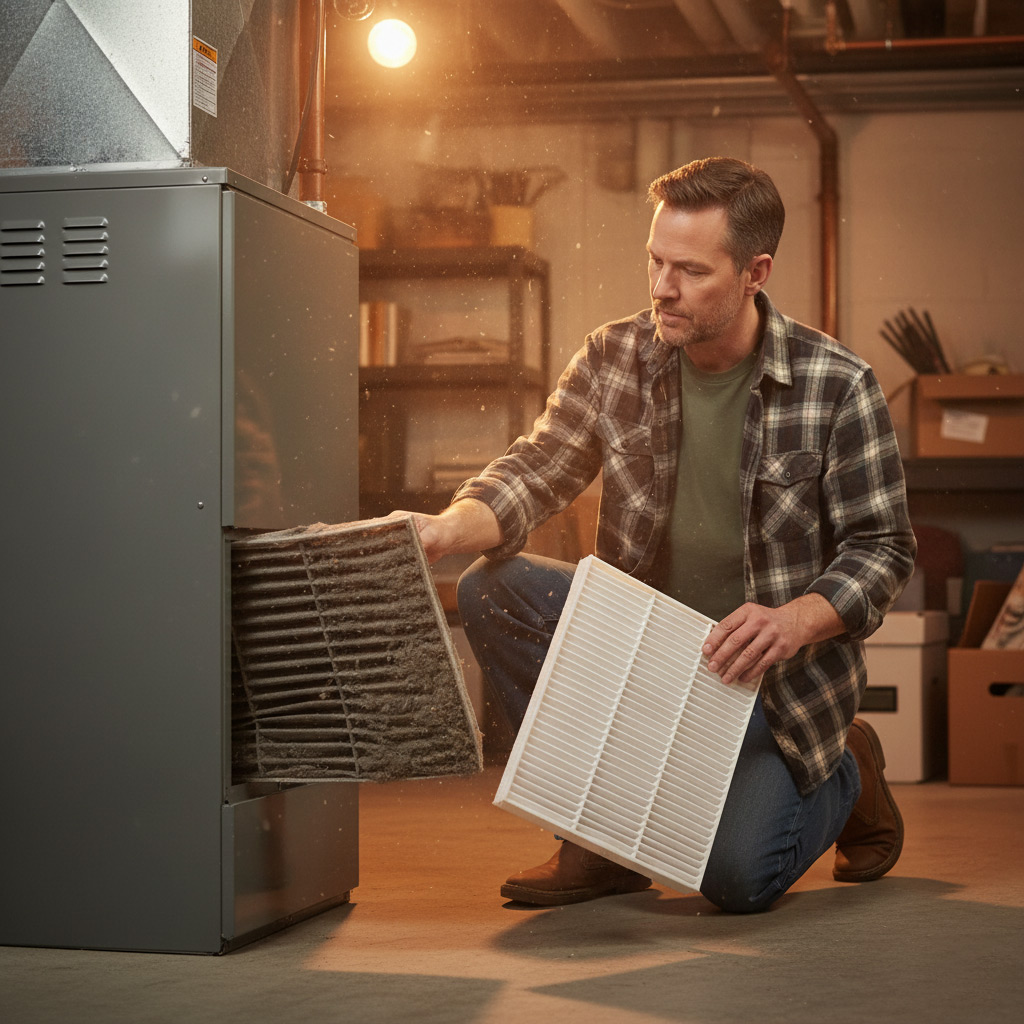
Dirty filters choke airflow and force the system to work harder. Pull the filter out; if it looks like a dust bunny convention, replace it.
- Look for a white or gray filter—most homes use these.
- Check each vent for blockage; furniture, curtains, or even a stray pet toy can be the silent saboteur.
- Make sure the return grilles aren’t clogged; a quick vacuum can save you a costly repair.
Listen for Strange Noises and Look for Leaks
Turn the system on and stand a few feet away. A click or humming is normal; rattles, squeals, or grinding? That’s a red flag.
Peek at the outdoor unit for puddles or ice buildup. Moisture could mean a refrigerant leak, while ice suggests a frozen coil—both need a pro’s tools.
Decoding Your Energy Bills: Spotting Inefficiency Early
When your electric bill starts looking like a phone number, it’s not a coincidence. That extra zero usually means your HVAC is working overtime, and your wallet is paying the price.
What the Numbers Are Telling You
Take a quick glance at the monthly breakdown. If the cooling cost jumps 20% or more from one month to the next, something’s off.
- Consistent rise during mild weather – your unit is probably short‑cycling.
- Higher demand on days you didn’t even turn the thermostat up – a sign of clogged coils or low refrigerant.
- Sudden spikes after a service call – could be a mis‑adjusted fan speed.
When to Pull the Trigger
Don’t wait for a blackout. If any of these red flags appear, call a pro before the problem snowballs.
- Bill spikes that don’t match the weather.
- Energy usage that’s out of sync with your family’s routine.
- Repeated “high usage” alerts from smart meters or utility apps.
Air Quality Red Flags: Unusual Odors, Humidity, and Dust Buildup
Smell Something Off?
When you catch a whiff of *musty* or *burnt* air, it’s not just a nuisance—it’s a symptom that your system is struggling.
Common culprits include clogged filters, mold in the ductwork, or a failing heat exchanger. Don’t wait for the smell to linger; it can signal a health risk and a looming repair bill.
Humidity That Feels Wrong
Peoria’s desert climate can swing from bone‑dry to sticky in a flash, and your HVAC should keep the indoor balance steady.
If rooms feel clammy in summer or dry as a desert in winter, you might have a refrigerant leak, a broken humidifier, or a busted condensate line. Check these quick clues:
- Condensation forming on windows or walls.
- Persistent foggy mirrors after a shower.
- Visible water pooling around the indoor unit.
Dust Buildup That Won’t Quit
When dust settles like a blanket on every surface, it’s a sign the air isn’t being filtered properly.
Look for these red flags:
- Dust on ceiling fans after a single night.
- Allergy symptoms that flare up without a clear trigger.
- Filter that looks darker than a coffee mug after a few weeks.
Replacing the filter and scheduling a duct inspection can stop the dust parade before it turns into a costly overhaul.
Case Study: Rapid Resolution of a Failing AC Unit in a Peoria Residence
The Situation
When the Martinez family called, their 3‑bedroom home was sweating in the July heat. The thermostat hovered at 78°F, yet the living room felt like a sauna.
They reported a faint buzzing and a sudden spike in their electric bill—classic signs that something was about to give.
What We Did
Our tech arrived within the hour, ran a quick visual sweep, and then tackled the problem in three moves:
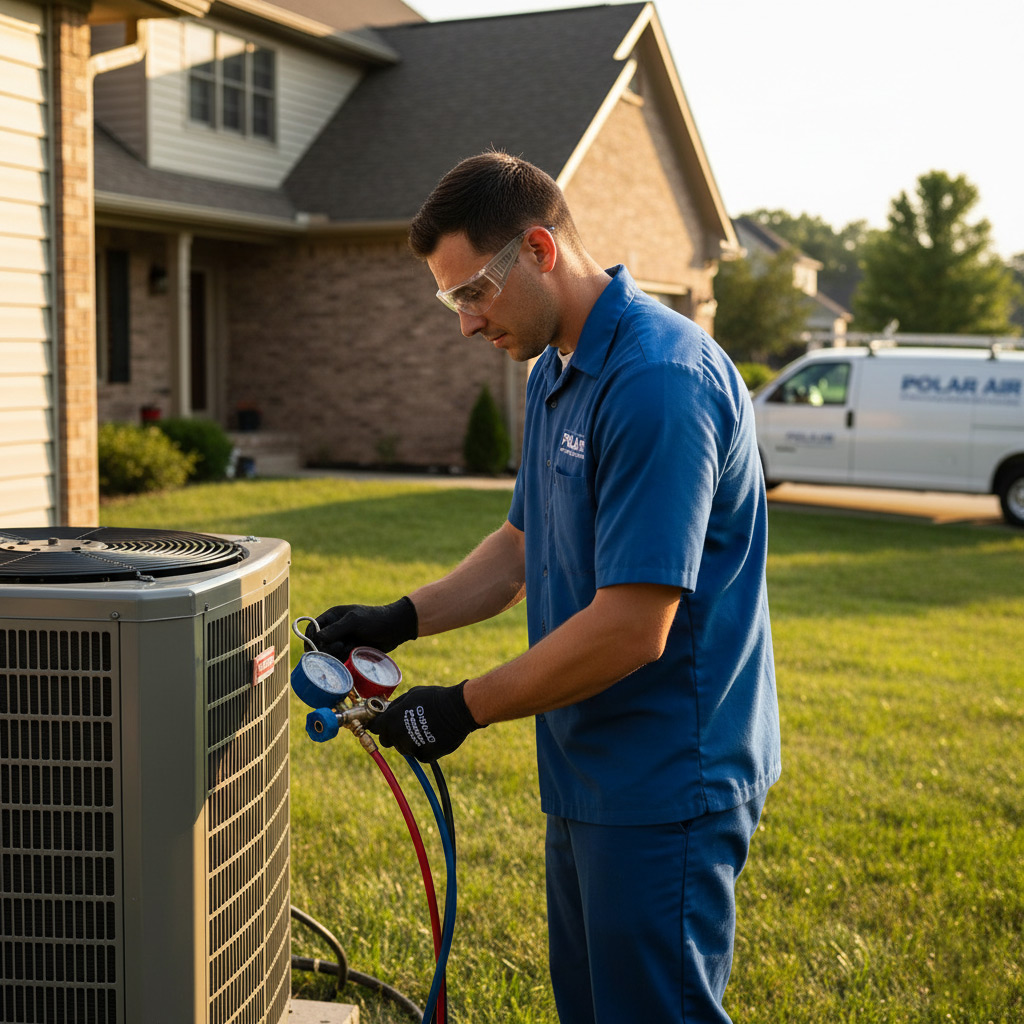
- Checked refrigerant pressure – low levels confirmed a leak.
- Replaced the failing capacitor that was causing the compressor to stall.
- Sealed the leak with a certified refrigerant‑recover‑and‑recharge kit.
Each step took under 30 minutes, so the family didn’t have to endure another night of sweltering discomfort.
Outcome
Within an hour of the repair, the indoor temperature dropped to a comfortable 72°F. The next utility bill showed a 22% reduction—proof that the system was back to peak performance.
Martinez’s home now runs smooth, and they’ve signed up for our seasonal maintenance plan to keep the AC humming all year long.
Final Words
When you catch a problem early, you keep your Peoria home comfortable and your wallet happy. Don’t wait for the whole house to feel like a sauna or an ice box before you act.
What to Keep on Your Radar
- Strange noises – rattles, squeaks, or humming that changes pitch.
- Uneven temperatures – one room feels like a freezer while another bakes.
- Spike in energy bills – a sudden jump is a red flag.
- Odd smells or excess dust – signs your air isn’t circulating right.
These cues are your system’s SOS. Spot them, note the details, and you’ll have the leverage to get the right help fast.
Ready to dive deeper? Explore more tips and troubleshooting tricks in our HVAC Troubleshooting hub. Your comfort is only a click away.
People Also Ask
What are the first signs that my HVAC system needs attention?
A noticeable drop in airflow, unusual noises, or inconsistent temperatures are early indicators. Check the thermostat for erratic behavior and look for water leaks around the unit.How does seasonal weather affect HVAC performance in Peoria?
Extreme summer heat can overwork the AC, while cold winters strain the furnace, revealing weak components. These conditions often trigger higher energy usage and reduced comfort.Can I diagnose HVAC problems myself before calling a technician?
Yes, homeowners can inspect filters, ensure vents are clear, and verify that the outdoor unit is free of debris. Resetting the thermostat and checking circuit breakers are also quick DIY steps.What energy‑bill patterns suggest my HVAC system is becoming inefficient?
A sudden spike in monthly electricity costs, especially during mild weather, often points to reduced efficiency. Look for irregular usage spikes that don’t match your typical heating or cooling schedule.Which indoor air quality issues signal an HVAC malfunction?
Persistent odors, excess humidity, and a buildup of dust or mold indicate possible problems. These symptoms may stem from clogged filters, refrigerant leaks, or inadequate ventilation.
Peoria HVAC brings over a decade of professional heating and cooling expertise to homes and businesses throughout Peoria, AZ. Their team combines certified technicians with a deep understanding of the local climate to deliver reliable, energy‑efficient solutions.
Need HVAC?
We deliver rapid, results‑focused solutions to homes and businesses in Peoria, AZ and neighboring ZIPs (85345, 85381, 85382, 85383, 85385). Our team moves quickly so you see the impact without delay.
Get HVAC Estimate