
If your boiler just coughed up a puff of smoke on a chilly Peoria night, you know the panic that follows. You’re not alone—most homeowners in the desert wonder how much that fix will actually set them back.
Boiler repair prices in Peoria can swing wildly, from a quick patch to a full system overhaul, and the difference often comes down to parts, labor, and the age of the unit. Add in the desert’s unique wear and tear, and you’ve got a pricing puzzle that feels personal.
In this guide we’ll break down the real‑world cost brackets you’ll see on a quote, expose the hidden fees that techs sometimes slip past, and give you the questions to ask so you never get blindsided again.
Stick around, and you’ll walk away with the numbers you need to negotiate like a pro and the confidence to pick the right tech for your home.

Boiler Types in Peoria, AZ: How They Affect Repair Pricing
Peoria homes run three main boiler families: cast‑iron units that have been around forever, sleek high‑efficiency condensing models, and the occasional electric or oil‑fired system. Each one carries its own price tag when something goes wrong, because the parts, the tech’s expertise, and the time on the job all shift.
What the tech actually pays for
- Cast‑iron: cheap to buy, pricey to dismantle. The heavy shell means more labor hours.
- Condensing boilers: modern sensors and heat exchangers are expensive parts, but they’re quick to replace if you have the right specialist.
- Electric units: low‑cost parts, but the electrician’s labor rates can climb fast.
- Oil‑fired: burners and fuel pumps are niche items; expect a markup on the component.
In the desert, the heat‑cycle swings hard on metal. Cast‑iron expands and contracts, which can crack seams faster than a newer steel body. That’s why a 15‑year‑old iron boiler often shows up with a leak that costs more in labor than the part itself.
Typical Desert‑Related Boiler Problems and Their Repair Scenarios
Sand & Dust Intrusion
Peoria’s dry winds love to sneak grit into every crack, and your boiler is no exception. When sand settles on heat exchangers, it acts like a blanket, forcing the unit to work harder and eventually overheating.
- Clogged burners – cleaning usually runs $120‑$250.
- Heat‑exchanger erosion – may need a $400‑$800 replacement part.
- Air‑filter swaps – $30‑$60 each, but do it quarterly.
Thermal Shock & Condensation
Desert nights can drop 30°F, then the sun blasts the same day. Those rapid swings cause pressure spikes that stress valves and seals.
- Pressure‑relief valve failure – $150‑$300 labor plus part.
- Condensate‑drain blockage – $80‑$150 to clear and reseal.
- Thermostat recalibration – $70‑$120, often a quick fix.
Hard Water & Corrosion
Even a desert oasis can be mineral‑rich. Hard water leaves calcium deposits that gnaw at pipes, while the occasional flash‑flood brings rust‑inducing oxygen.
- Scale buildup on boiler tubes – $250‑$500 for chemical flush.
- Corroded pump housing – $300‑$600 for a new unit.
- Installation of a water‑softener – $800‑$1,200, a smart long‑term investment.
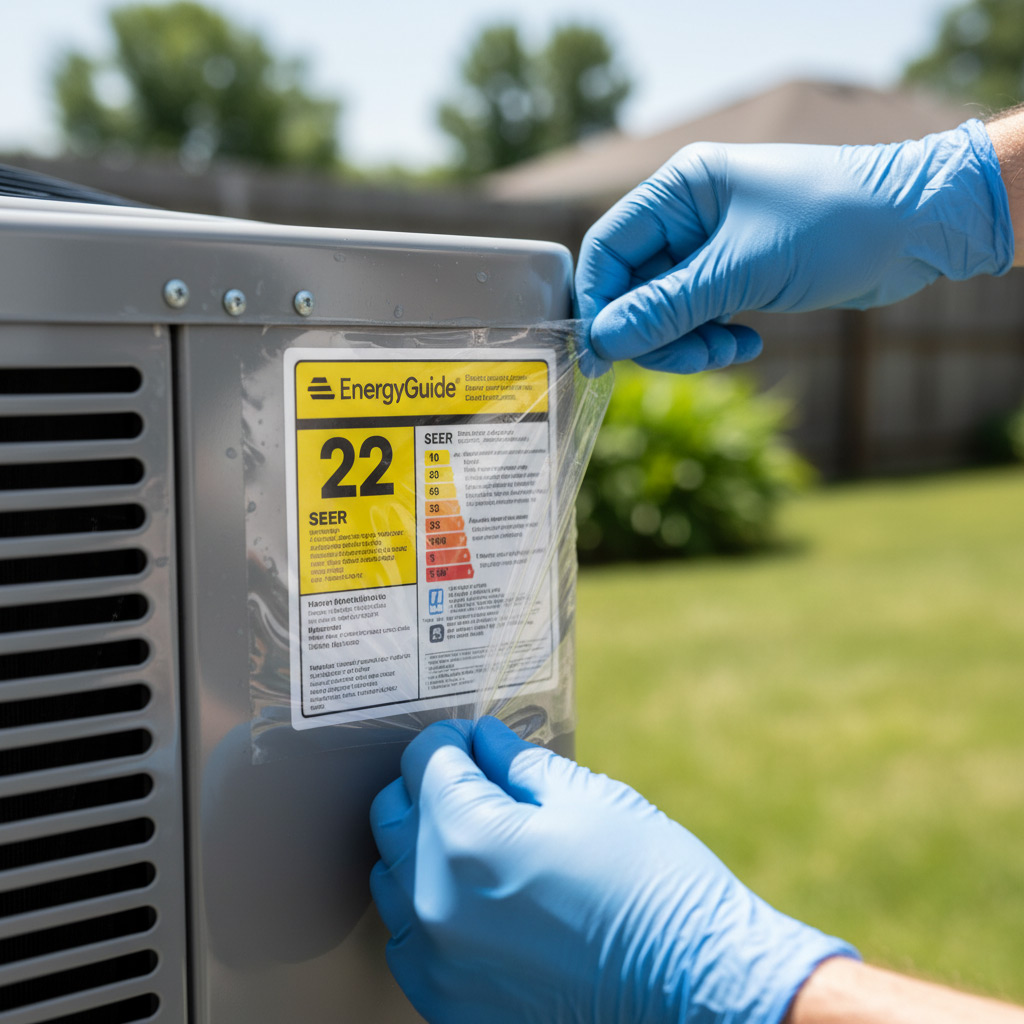
Cost Breakdown: Parts, Labor, Permits, and Hidden Fees Explained
When the quote lands on your kitchen table, it’s not just a number. It’s a mix of tangible items and sneaky extras that can make the difference between a fair deal and a rip‑off.
Parts – the obvious line item
Boiler components range from cheap gaskets to pricey heat exchangers. Prices swing based on brand, availability, and whether the part is OEM or aftermarket.
- OEM parts: usually 20‑30% higher but come with a manufacturer warranty.
- Aftermarket: cheaper, but you might pay more in labor if it doesn’t fit right.
- Shipping: desert deliveries can add $30‑$70, especially for bulky items.
Labor – where time meets expertise
Technicians charge by the hour, but the clock starts ticking the moment they step inside.
- Standard rates in Peoria: $85‑$120 per hour.
- Complex jobs (e.g., rewiring, gas line work) add 1‑2 extra hours.
- After‑hours calls: a flat $75 surcharge is common.
Permits – the paperwork you can’t skip
Arizona requires a permit for any gas‑related boiler work. It’s a small line on the invoice, but it protects you from future headaches.
- City of Peoria permit fee: $45‑$90.
- Inspection fee: $30‑$50, paid after the job.
- Some contractors bundle these costs; ask before they disappear into the “misc.” column.
Hidden fees – the surprise guests
These are the costs that show up after the work is done, and they love to hide in vague language.
- Travel surcharge: $0.50‑$1 per mile if the job site is outside the 10‑mile radius.
- Disposal fee: $25‑$40 for old boiler removal.
- Diagnostic fee: $50‑$80, often waived if you proceed with the repair.
Knowing each piece lets you call out the fluff and keep the quote honest.
Age, Maintenance History, and Warranty: Their Influence on Your Quote
Age Matters
Older boilers tend to chew up more of your budget because parts wear out faster. A unit under 5 years old usually stays in the “repair‑instead‑replace” lane, while anything past 12 years often triggers a full‑system quote.
- 0‑5 years: Minor leaks, $150‑$300.
- 6‑10 years: Heat‑exchanger fatigue, $300‑$600.
- 11‑15 years: Major component failure, $600‑$1,200.
- 16+ years: Replacement is the smart play.
Maintenance History
Regular check‑ups are the secret sauce that keeps a quote low. Skipping the annual tune‑up lets small problems snowball into pricey repairs.
- Annual service: prevents $200‑$400 surprise bills.
- Bi‑annual filter change: saves $50‑$100 each time.
- Ignored water‑pressure alerts: can add $250‑$500.
Warranty & Guarantees
Manufacturers love to hide value in the fine print. If your boiler is still under warranty, labor may be free, but you’ll still pay for the parts.
- Full‑coverage warranty (≤3 years): labor free, parts at cost.
- Extended warranty (3‑7 years): labor discounted 30 %.
- Expired warranty: you’re on the hook for everything.
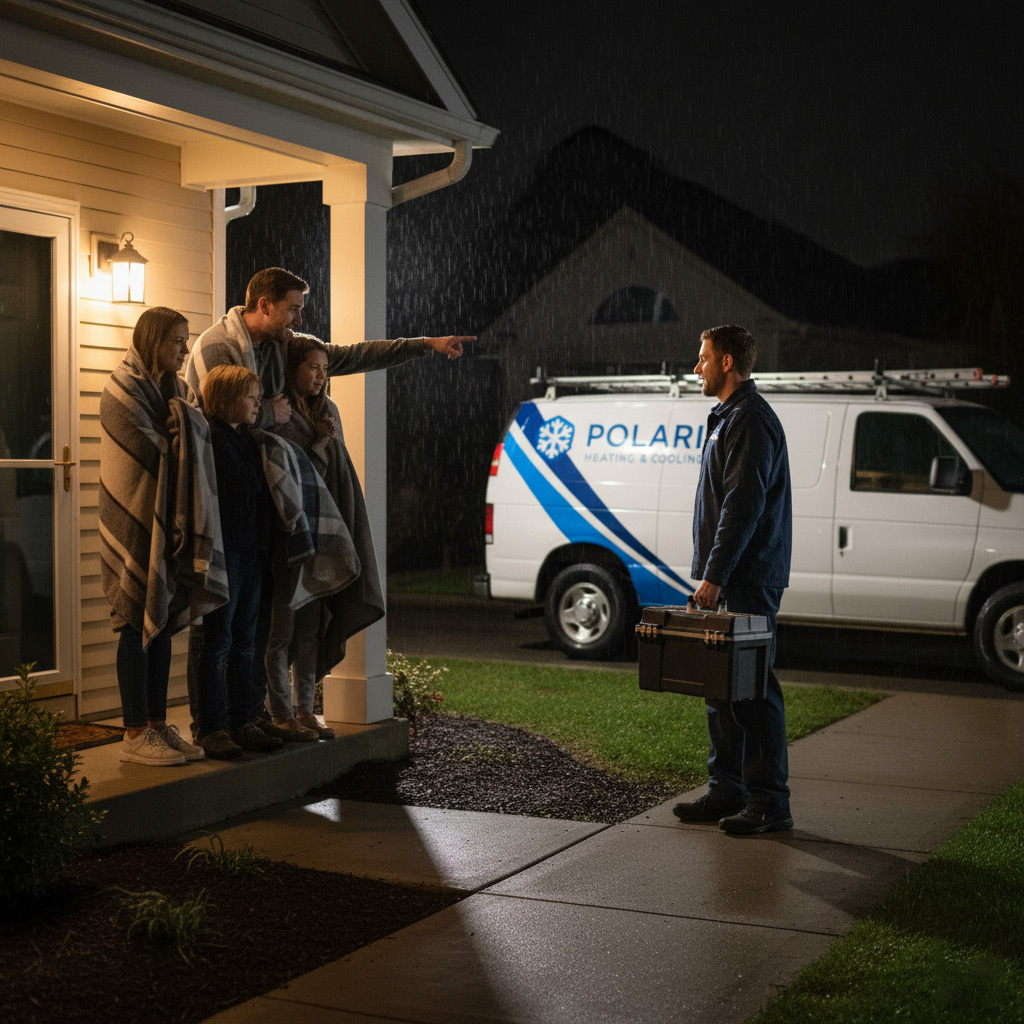
Case Study: Turning a Sudden Boiler Failure into a Cost‑Effective Solution
The Night the Boiler Stopped
When the Johnsons heard a loud clank and the heat vanished, panic set in. They called a local tech at 2 a.m. The technician arrived, ran a quick diagnostic, and discovered a cracked heat‑exchanger—a problem that can cost thousands if you replace the whole unit.
Smart Steps That Saved Money
Instead of a full replacement, the tech proposed a targeted repair plan. Here’s what they did:
- Isolated the cracked section and welded it on‑site.
- Flushed the system to remove mineral buildup common in desert water.
- Installed a new pressure relief valve—$120 part, $80 labor.
By focusing on the weak link, they avoided a $4,500 full‑unit swap. The total bill came to $1,050, a 77% saving.
Outcome and Takeaways
The Johnsons regained heat within two hours and extended the boiler’s life by another five years. Key lessons:
- Ask for a detailed breakdown before signing any work order.
- Insist on a “repair‑first” approach when a single component fails.
- Schedule a preventive tune‑up to catch corrosion early.
When you know the options, you can turn a crisis into a bargain.
Getting Accurate Estimates & Negotiating with HVAC Contractors
Ask for a Detailed Quote
Don’t settle for a vague “$X‑plus‑tax” number. Demand a line‑item breakdown that shows parts, labor, permits, and any travel fees.
When the tech writes it out, you’ll see exactly where the money goes, and you can spot the fluff before it becomes a surprise.
- Parts cost – brand, model, warranty.
- Labor – hourly rate, estimated hours.
- Permits – city fees, inspection charges.
- Travel & disposal – mileage, old unit removal.
Negotiation Tactics
Armed with the breakdown, you can start the push‑pull. Quote a lower price from a competitor and ask the contractor to beat it.
Most local firms will shave off a few hundred dollars on labor or throw in a free service call to keep your business.
- Ask for a “price match” guarantee.
- Request a discount for cash payment.
- Bundle a future maintenance plan for a reduced rate.
Seal the Deal
Before you sign, verify the contractor’s license, insurance, and any warranty on the repair work.
Ask for a written agreement that lists the exact start date, completion timeline, and what happens if the issue recurs.
- Check online reviews and Better Business Bureau rating.
- Confirm the warranty covers both parts and labor.
- Get a copy of the contract for your records.
Final Words
Armed with the cost breakdowns and the right questions, you’re no longer at the mercy of a vague estimate. Know your boiler’s make, model, and age before the tech walks in, and you’ll spot a padded quote faster than a desert mirage.
What to do next
- Ask for a written estimate that separates parts, labor, and permits.
- Verify the contractor’s license and read recent reviews on Boiler Repair services.
- Schedule a preventive tune‑up; a $150 check‑up can save you a $1,200 emergency repair.
Remember, the cheapest bid isn’t always the smartest. A seasoned tech who explains the issue, offers a clear warranty, and respects your budget will keep your home warm without burning a hole in your wallet.
People Also Ask
What factors most influence boiler repair costs in Peoria, AZ?
The type of boiler, age, and specific desert-related issues like sand intrusion play major roles. Labor rates, parts availability, and any required permits also affect the final price.
How much does a typical boiler part replacement cost in the Peoria desert climate?
Basic components such as thermostats or pressure valves usually range from $80 to $250. More complex parts like heat exchangers can cost $500 to $1,200, plus labor.
Are there hidden fees I should watch for when hiring a local HVAC contractor?
Yes, additional charges may include travel fees, after‑hours service premiums, and disposal fees for old parts. Always ask for a detailed estimate to avoid surprises.
Can regular maintenance lower my boiler repair expenses?
Routine maintenance can catch wear early, preventing costly breakdowns and extending the boiler’s lifespan. Many contractors offer service plans that reduce labor costs on future repairs.
How do I get an accurate boiler repair estimate in Peoria?
Request on‑site inspections from at least two reputable HVAC companies and compare itemized quotes. Ask about warranties on parts and labor to ensure you’re getting the best value.

Peoria HVAC brings over a decade of professional heating and cooling expertise to homes and businesses throughout Peoria, AZ. Their team combines certified technicians with a deep understanding of the local climate to deliver reliable, energy‑efficient solutions.
Need HVAC?
We deliver rapid, results‑focused solutions to homes and businesses in Peoria, AZ and neighboring ZIPs (85345, 85381, 85382, 85383, 85385). Our team moves quickly so you see the impact without delay.
Get HVAC Estimate